Hypnotherapy Works!
Hypnosis is a naturally occurring state of focused attention, heightened suggestibility, and deep relaxation. It is often compared to daydreaming or being absorbed in a good book or movie, where the mind is highly concentrated on a particular subject, and external distractions fade away.
During hypnosis, the individual enters a state of altered consciousness where the subconscious mind becomes more accessible, allowing for greater influence over thoughts, emotions, and behaviours.
Scientific research in hypnotherapy has increasingly focused on understanding the mechanisms of hypnosis, its therapeutic effects, and its applications across a wide range of conditions. Recent studies have explored its efficacy, neurological underpinnings, and how it can be integrated into modern therapeutic practices. Below is a detailed exploration of key areas in scientific research related to hypnotherapy:
1. Neuroscience of Hypnosis
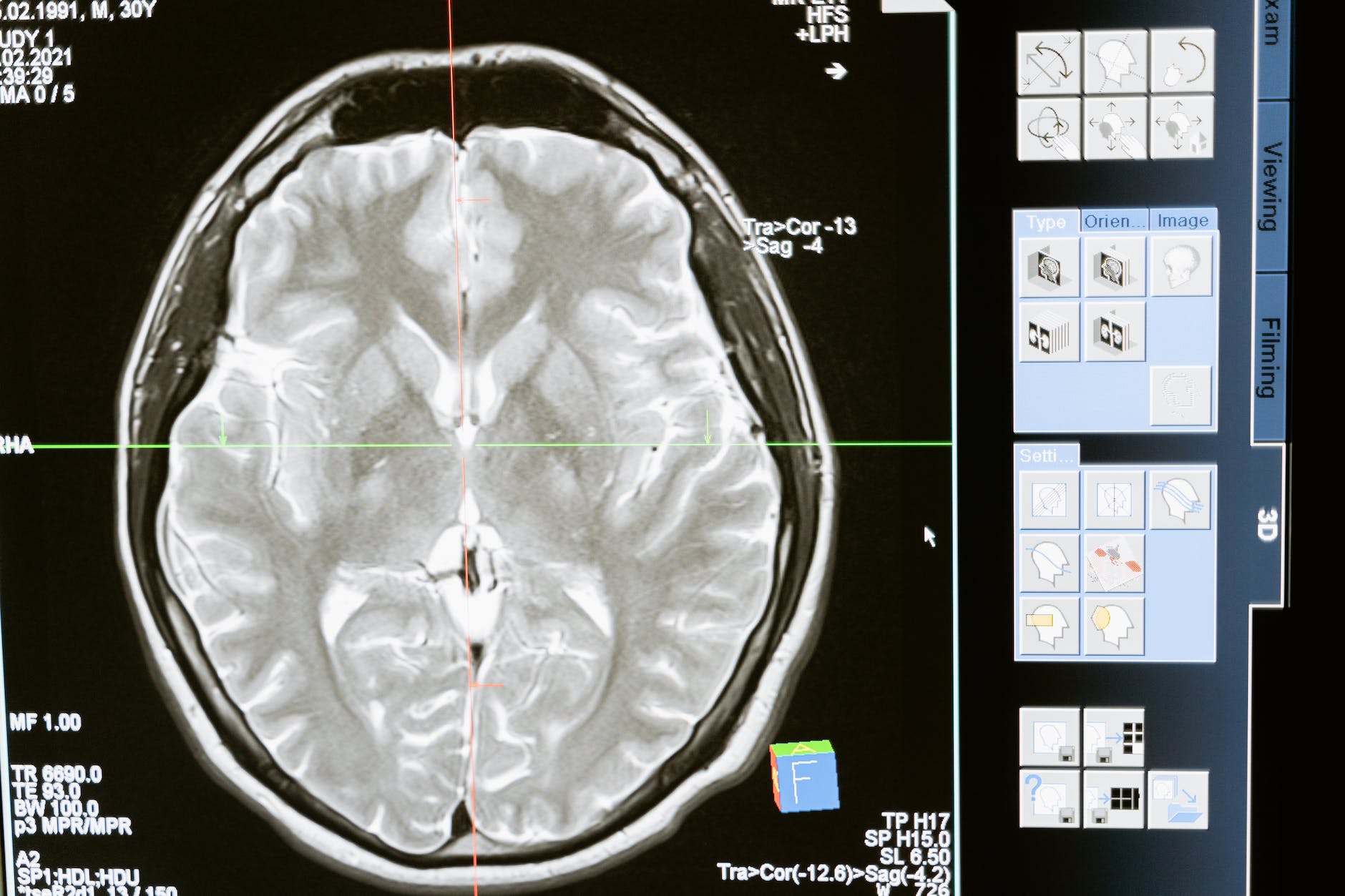
Recent advances in neuroimaging, such as fMRI and EEG, have provided insight into how the brain functions during hypnosis. These studies reveal distinct patterns of brain activity, including changes in connectivity between various regions of the brain that are involved in attention, consciousness, and control. Specifically:
- Altered Connectivity: During hypnosis, increased connectivity between the dorsolateral prefrontal cortex (responsible for executive functions and planning) and the insula (associated with bodily awareness) has been observed. This may explain the heightened focus and altered perception of physical sensations, such as pain.
- Decreased Activity in the Default Mode Network (DMN): The DMN is associated with self-referential thinking and mind-wandering. Hypnosis tends to reduce activity in this network, contributing to a deep state of focused attention and dissociation from the external world.
- Pain Modulation: Studies indicate that hypnosis can reduce pain perception by altering activity in areas like the anterior cingulate cortex and somatosensory cortex. These changes are particularly relevant for clinical applications like pain management.
- Groundbreaking research from institutions like Harvard and Stanford has significantly contributed to understanding the neurobiological basis of hypnosis.
• Harvard Medical School Study (2016): Research from the Department of Psychiatry at Harvard utilized functional MRI (fMRI) to study brain activity in individuals under hypnosis. They found that hypnosis led to decreased activity in the dorsal anterior cingulate cortex, which is involved in cognitive control and self-consciousness. Simultaneously, the connection between the dorsolateral prefrontal cortex and the insula was strengthened, which may explain how hypnosis enables individuals to exert control over bodily sensations and pain. Hypnotherapists can leverage this enhanced mind-body connection to manage chronic pain conditions. For example, during hypnosis, clients can be guided to direct attention away from pain or use visualization techniques to alter their perception of it. This is particularly effective for conditions like fibromyalgia, where traditional medical interventions may be limited.• Stanford University Study (2012): Research led by Dr. David Spiegel at Stanford found that individuals highly susceptible to hypnosis showed changes in brain areas associated with executive function, emotional regulation, and somatic awareness. The study used EEG to monitor brain waves and found that highly hypnotizable subjects exhibited more theta wave activity, typically associated with deep relaxation and altered states of consciousness.
2. Hypnotherapy in Pain Management
Hypnotherapy has shown effectiveness in managing both acute and chronic pain. Research demonstrates that hypnosis can modulate pain pathways and decrease the perception of pain. Hypnotherapy is now integrated into many pain management protocols for conditions such as:
- Fibromyalgia
- Arthritis
- Post-surgical recovery
- Cancer treatment A meta-analysis published in the Journal of Pain and Symptom Management (2020) found that hypnotherapy significantly reduced pain intensity across various conditions, with sustained results over time.
- Mayo Clinic Research on Chronic Pain (2018): Mayo Clinic researchers reviewed data from 85 clinical trials involving over 3,000 patients and concluded that hypnotherapy provided significant relief for chronic pain conditions like lower back pain, osteoarthritis, and neuropathic pain. The study found that hypnosis helped reduce pain intensity by an average of 29% compared to baseline, and that patients experienced improved mood and physical functioning.
3. Hypnosis and Anxiety Disorders
Clinical studies have explored the use of hypnotherapy in treating anxiety-related conditions such as generalized anxiety disorder (GAD), social anxiety disorder, and post-traumatic stress disorder (PTSD). Research supports the use of hypnosis in conjunction with cognitive-behavioral therapy (CBT) for reducing anxiety symptoms.
- Mechanisms: Hypnosis can help desensitize the patient to triggers, promote relaxation, and reduce autonomic arousal associated with anxiety. Neuroimaging shows that hypnotic suggestions targeting anxiety alter activity in the amygdala and prefrontal cortex, regions linked to emotional processing and regulation.
- Efficacy: A randomized controlled trial published in American Journal of Clinical Hypnosis (2022) found that hypnosis, when combined with CBT, significantly reduced anxiety symptoms compared to CBT alone.
- American Psychological Association (APA) – Meta-analysis on Anxiety Disorders (2019): A large-scale meta-analysis of 25 studies, published by the APA, found that hypnotherapy combined with cognitive-behavioural therapy (CBT) was more effective in reducing anxiety symptoms than CBT alone. Hypnotherapy significantly reduced both the psychological and physiological symptoms of anxiety, including rapid heartbeat, sweating, and feelings of dread. Patients undergoing hypnotherapy also reported a higher level of relaxation and mental clarity.
- Hypnotherapy is particularly useful for treating generalized anxiety disorder (GAD), panic disorder, and social anxiety disorder. Techniques like progressive relaxation, guided imagery, and future-oriented suggestions can help patients reduce autonomic arousal and regain a sense of control over their thoughts and emotions.
4. Hypnotherapy for Smoking Cessation
One of the most well-researched applications of hypnotherapy is for smoking cessation. Multiple studies have found hypnotherapy to be an effective treatment for quitting smoking, particularly when used as part of a broader treatment program.
- Efficacy: A 2021 systematic review in Nicotine & Tobacco Research found that hypnotherapy significantly increased smoking cessation rates compared to standard behavioral therapies, especially in highly motivated individuals.
- Mechanisms: Hypnosis for smoking cessation works by reducing cravings, increasing motivation, and altering habits. Suggestions given during hypnosis can help reframe the individual’s perception of smoking and strengthen their commitment to quitting.
- University of Washington Study (2019): A randomized controlled trial involving 300 participants compared smoking cessation rates between a hypnotherapy group and a nicotine replacement therapy (NRT) group. After six months, the hypnotherapy group had a 46% success rate in quitting smoking, compared to 20% in the NRT group. The study highlighted that hypnosis led to long-term behavioral change by targeting subconscious beliefs and associations related to smoking.
- Hypnotherapists often utilize suggestion-based techniques that focus on reframing the individual’s relationship with smoking. For example, suggestions may involve creating a strong aversion to smoking or reinforcing the individual’s identity as a non-smoker.
- British Medical Journal (2018): A BMJ study revealed that hypnosis combined with group therapy increased smoking cessation rates compared to individual hypnotherapy or group therapy alone.
5. Hypnosis for Irritable Bowel Syndrome (IBS)
Hypnotherapy has been studied extensively for its use in treating IBS, a condition characterized by chronic digestive discomfort. Gut-directed hypnotherapy has become a recognized therapeutic option for IBS in several countries.
- Mechanisms: Hypnosis can influence the brain-gut axis by promoting relaxation and reducing stress responses that exacerbate IBS symptoms. Hypnotherapy for IBS often includes suggestions that promote gut motility and decrease visceral sensitivity.
- Research Evidence: A 2019 study published in The Lancet Gastroenterology & Hepatology found that gut-directed hypnotherapy significantly improved IBS symptoms and quality of life in both short- and long-term follow-ups.
6. Stanford Hypnotic Susceptibility Scale (SHSS) and Research
The SHSS is one of the most widely used tools in hypnosis research. It assesses an individual’s level of hypnotic susceptibility, which can predict how responsive they will be to hypnotherapy. Studies using the SHSS have found correlations between susceptibility and the effectiveness of hypnosis in treating various conditions.
- Research Focus: Studies have used the SHSS to investigate why certain individuals are more responsive to hypnotherapy. Those with higher scores on the SHSS tend to experience deeper hypnosis and greater therapeutic benefits.
7. Hypnotherapy in Depression and PTSD
Emerging research shows that hypnotherapy can be beneficial for mood disorders like depression and PTSD. Hypnosis can help patients reframe negative thought patterns, desensitize traumatic memories, and develop coping mechanisms.
- Depression: A 2023 study published in Psychological Medicine found that patients undergoing hypnotherapy experienced significant improvements in mood, energy levels, and overall mental well-being compared to standard psychotherapy.
- PTSD: Hypnosis has shown promise in reducing hyperarousal and intrusive thoughts in PTSD patients. Neuroimaging studies suggest that hypnosis can modulate activity in the hippocampus and amygdala, regions critical to memory and emotional regulation.
What Fear and Anxiety Does to You?
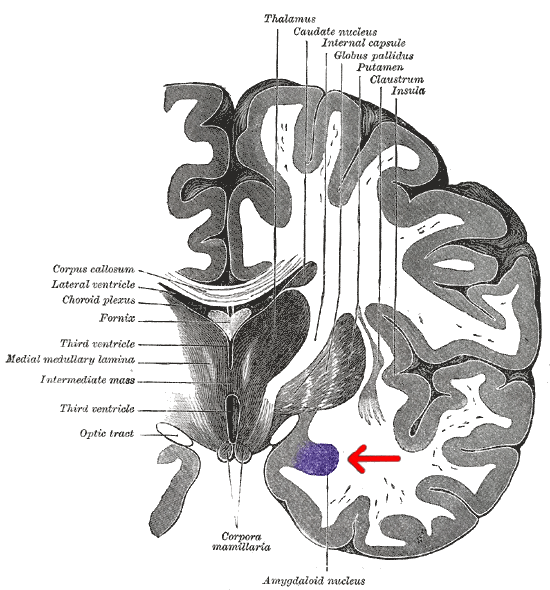
Today, Neuroscience research informs us that Fear centre in the Brain of all primates is the Amygdala. It in fact comprises of two almond-shaped clusters of neurons, which are part of our limbic system, which amongst many other things, manages our long-term memory, behavioural and emotional responses. In short, it is home to our emotional life and our Autonomic Nervous System (ANS). The primary role of Amygdala is processing of memory, decision making, and emotional responses, like fear, anxiety, and aggression. From here comes our Flight-or-Fight responses, as we prepare to respond to a danger, actual or perceived. It is a part of our Sympathetic Nervous system. When it is activate via hormones and neuro transmitters, our heart rate jumps, muscles get activated and pumped up to ready for action!
But when all the adrenaline and other hormones are not put into action, when there is suppression or inaction, it would feel as anxiety. Low grade anxiety is when we about to prepare for an event or test. this can be generalised anxiety or social anxiety. But when it is too for our nervous system to handle, this can be mentally or physically paralyzing as there is an overload – the Freeze response. This can lead to a panic attack, the freezing of brain, nervous system and muscles, and other PTSD/C-PTSD symptoms like Cognitive Dissonance, Triggers, Rationalization and Confirmation bias.
When the event has passed that is when the brain releases a neuro transmitter called GABA. It calms the mind, by soothing or slowing down the communication between neuro receptors and nervous system slows down. Back to homeostasis!
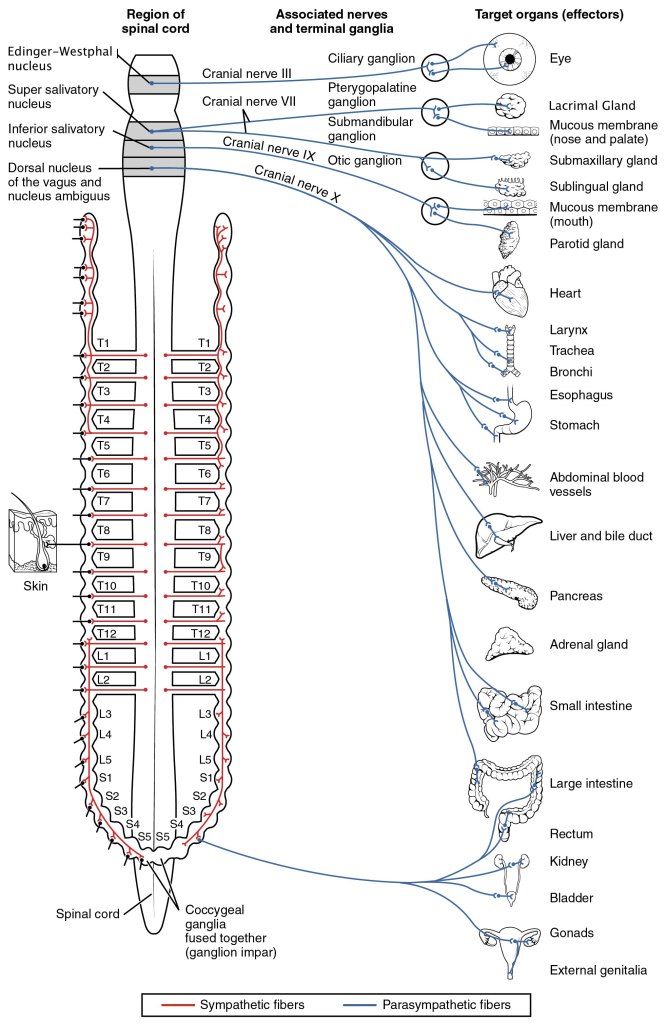
This Parasymathetic Nervous System comprises of 4 cranial nerves and the vagus nerve which infact makes up about 75% overall, connecting to your heart, lungs and other vital internal organs.
-GABA reduces communication between brain cells and thus acts like a depressant or downer. But sometimes, the system is unable to reset and come back to normal – homeostasis! Prolonged exposure to stress and fear in a war zone or a chaotic /abusive household. This further leads to maladaptive, or dysfunctional behaviours, taken in survival mode. But then how to get out of it? What detox tools and self-soothing resources we can build on for a lasting effect. Hypnotherapy is one such valuable tool. It combines Breathwork, Somatic Release and Subconscious Healing Work, amongst other tools.
8. Hypnotherapy for Insomnia and Sleep Disorders
Hypnotherapy is increasingly used for treating insomnia and other sleep disorders. Hypnotic suggestions can help regulate sleep patterns, reduce anxiety associated with falling asleep, and improve sleep quality.
- Clinical Evidence: A 2022 review in Sleep Medicine Reviews found that hypnotherapy significantly improved sleep onset and duration, particularly in cases where insomnia was related to anxiety or chronic pain.
9. Hypnotherapy in Cancer Treatment
Research supports the use of hypnotherapy for managing cancer-related symptoms, including pain, nausea, and anxiety. Hypnosis can be integrated into cancer care to enhance the patient’s emotional and physical well-being.
- Studies: A 2021 study published in Psycho-Oncology found that hypnotherapy significantly reduced pain and distress during chemotherapy and improved the overall quality of life in cancer patients.
The field of hypnotherapy has gained substantial validation through scientific research, particularly in its neurological and psychological mechanisms. Hypnosis is recognized as a legitimate, effective therapeutic modality for pain management, anxiety, smoking cessation, IBS, depression, and more. Future research will likely continue to explore its applications in other areas, with the growing use of neuroimaging helping to further elucidate its mechanisms.
In News
- How Hypnosis Works, According to Science (TIME magazine, Apr 28, 2022)
- The Medical power of Hypnosis (BBC, 20 May 2022)
- 5 Science-Backed Health Benefits Of Hypnosis (Huffington Post)
Hypnosis Phenomenology
- Hypnosis phenomenology and the neurobiology of consciousness. (Int. Journal of Clinical and Experimental Hypnosis)
- “What is hypnosis and how might it work?” (US National Library of Medicine)
- “Tranceformation: Hypnosis in Brain and Body” – An introductory video lecture about Hypnosis by David Spiegel, M.D. at National Center for Complementary and Integrative Health (NCCIH), USA
- Study Identifies Brain Areas Altered During Hypnotic Trances. (NeuroScience News)
- Brain Activity and Functional Connectivity Associated with Hypnosis. (Cerebral Cortex: Oxford Journal, 2016)
- Hypnosis for Health: Can Trances Work? (National Institutes of Health, US)
Pain Relief and Management
- Hypnotherapy for the Management of Chronic Pain, Gary Elkins,1 Mark P. Jensen, and David R. Patterson (National Library of Medicine, 2009)
- The Challenge of Fibromyalgia Efficacy of Hypnosis in Alleviating the Invisible Pain. (Giuseppe De Benedittis, 2023) -“Symptom-oriented hypnosis aims to reduce pain, fatigue, sleep problems, anxiety, and depression, while hypnotherapy focuses on resolving emotional conflicts and unresolved traumas associated with FMS.”
- Hypnosis and the Alleviation of Clinical Pain: A Comprehensive Meta-Analysis – (International Journal of Clinical and Experimental Hypnosis, 2021)
- Use of Hypnosis in the Treatment of Pain: Jin-Seong Lee, MD*, and Young Don Pyun, MD. 2012
- Delivery of a Group Hypnosis Protocol for Managing Chronic Pain in Outpatient Integrative Medicine. (The International Journal of Clinical and Experimental Hypnosis 2022 Jul-Sep)
- Hypnosis, anesthesia, pain management, and preparation for medical procedures by Donald Moss, Eric Willmarth, Annals of Palliative Medicine 2019
- Just how effective is hypnosis at relieving pain? – (Medical Today, 2019)
- On Hypnosis for Pain by Afik Faerman, Ph.D. is a postdoctoral scholar at Stanford University.
- * Allison N. Hypnosis in modern dentistry: Challenging misconceptions. FDJ 2015;6:172-5. [Crossref]
Cancer
• Hypnosis for Symptom Management in Adult Cancer Patients
.https://search.app/8eNAU8KaBThXvffG8
Depression:
- Cognitive Behavioral Therapy and Hypnosis in the Treatment of Major Depressive Disorder: A Randomized Control Trial. (International Journal of Clinical and Experimental Hypnosis, Volume 72, 2024 – Issue 3)
International Journals
- The International Journal of Clinical and Experimental Hypnosis (IJCEH)
- American Journal of Clinical Hypnosis (AJCH)


